
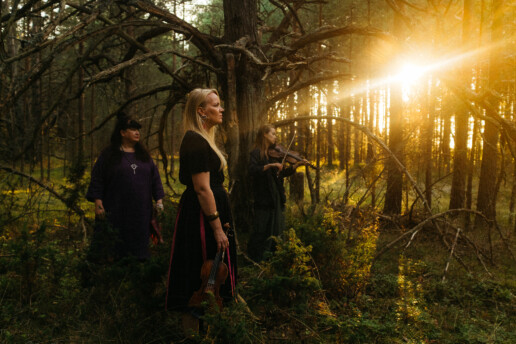
Sounds and Stories from Ruhnu Island
The band Sounds and Stories from Ruhnu Island was formed 15 years ago, inspired by the story of the remote island of Ruhnu. The history of its people – particularly that of a small community forced to leave their homes because of war – resonates deeply with audiences both in Estonia and abroad. At the time, the unique Ruhnu Swedish musical tradition was largely unknown. Today, however, its growing recognition is evident, for example, in the inclusion of Ruhnu music in Estonia’s largest folk music festival, Iseoma, in 2025.
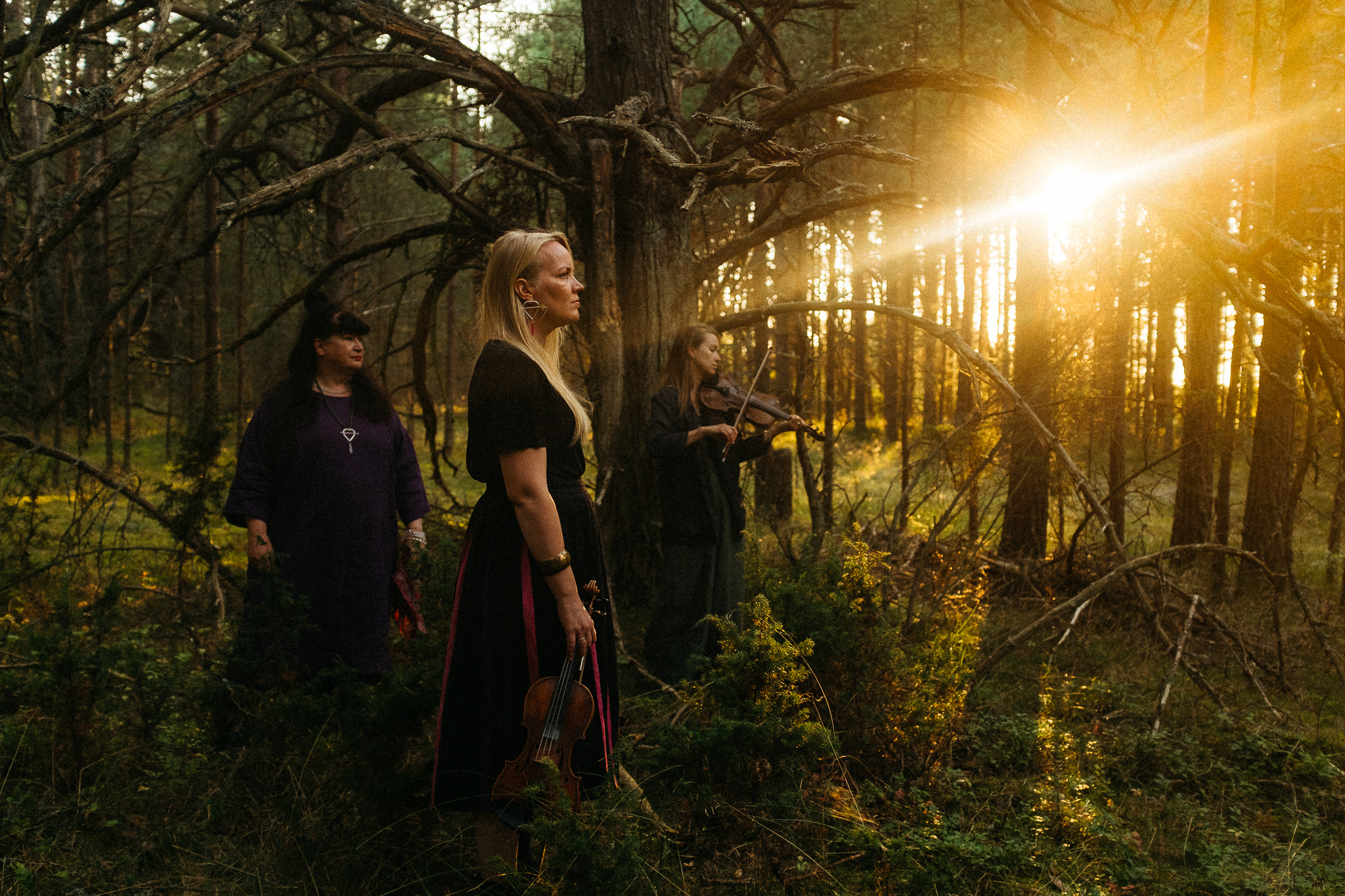
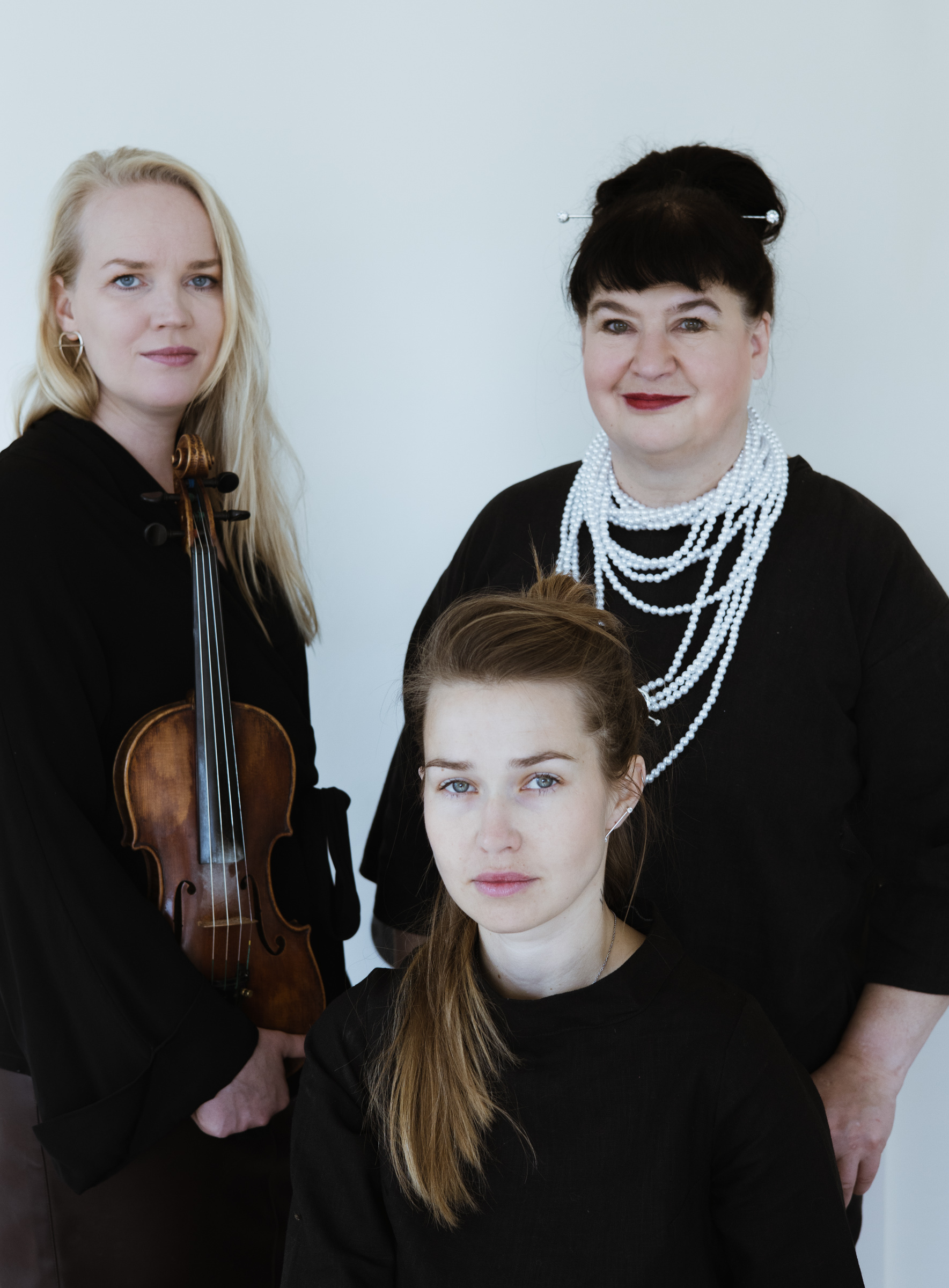
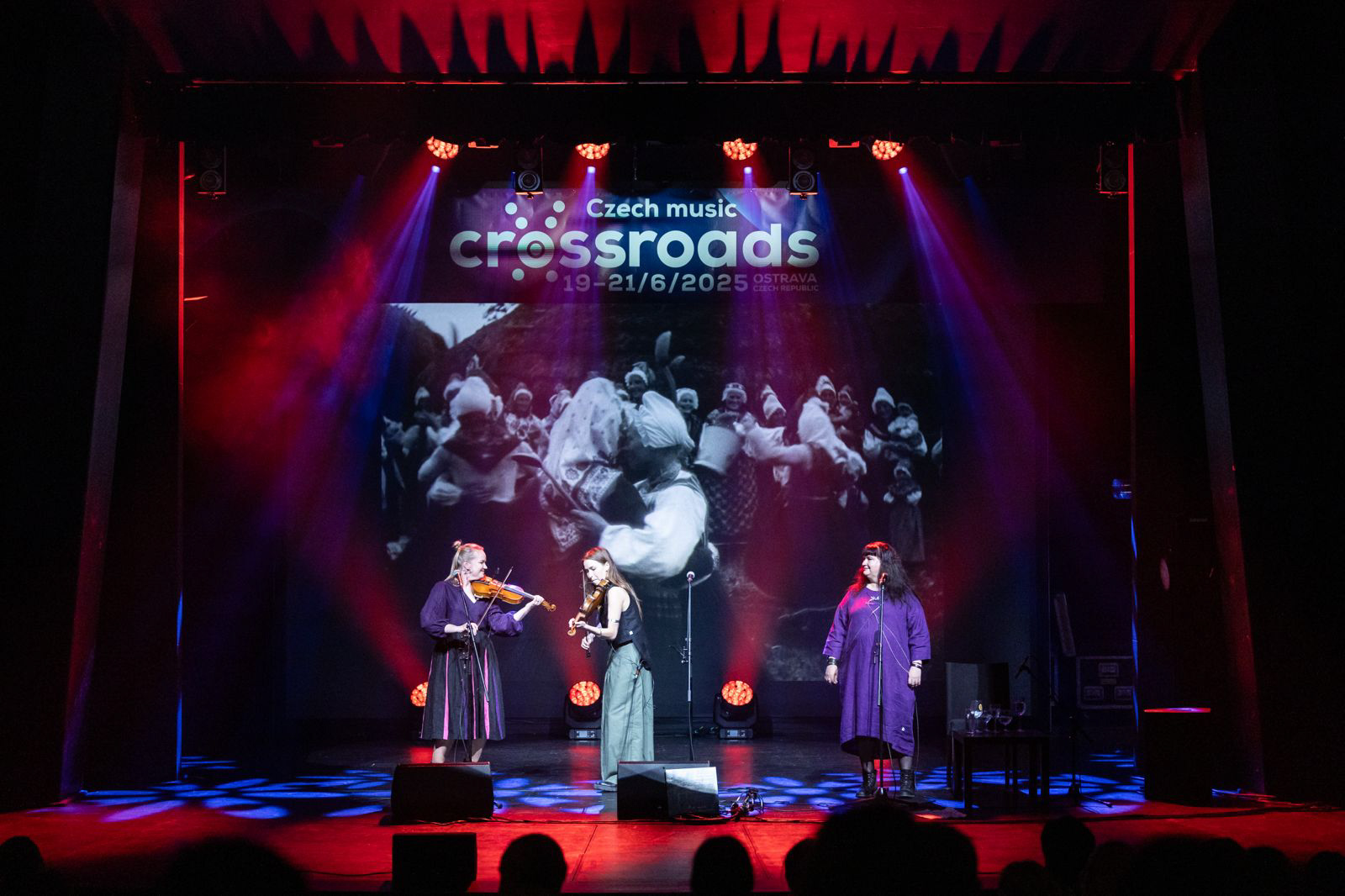
The ensemble brings together Karoliina Kreintaal and Lee Taul, both respected teachers and leading figures in a distinctive Estonian traditional fiddle style. For over fifteen years, they have held a deep connection to Ruhnu’s musical heritage. Kairi Leivo, widely known for her diverse cultural work, has been one of the main organizers of the Ruhnu Fiddle Camp since its founding, which is now approaching its 14th edition.
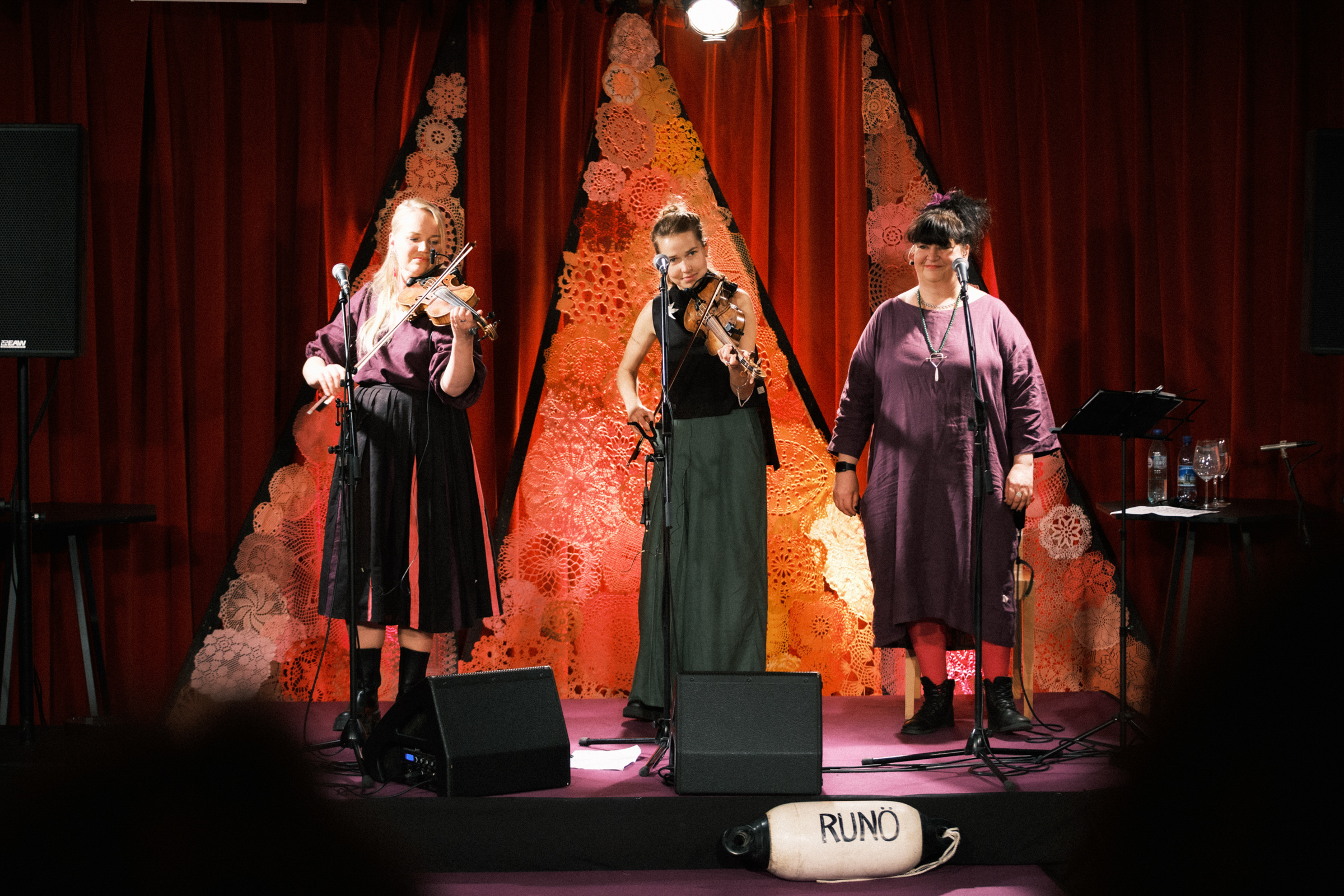
Their project is dedicated to Ruhnu fiddle music, weaving together past and present. The trio’s main source material comes from recordings made on Ruhnu Island in 1938 by Swedish Radio, as well as from fiddle tunes later collected in Sweden after the great escape. The album presents Ruhnu wedding music and chorales in a delicate and tradition-conscious contemporary interpretation.
Authentic traditional fiddle playing – characteristic of Ruhnu and other regions of Estonia—remains unfortunately little known to Estonian audiences, though it is something to be proud of. The Ruhnu style carries a slightly newer and more romantic, yet highly distinctive sound world, beautifully captured in this project. The trio’s music moves between genuine dance music and narrative accompaniment; it is supple and engaging, lively, rhythmically playful, ear-caressing, and warmly resonant.
Filled with longing and memory, the music carries the atmosphere of both the island’s summers from a hundred years ago and those of today. It invites listeners to engage—through listening, dancing, and reflection – with the lives of Ruhnu’s former and present inhabitants.
The group’s musical arrangements draw inspiration from many elements of island life: the bells of Ruhnu’s nearly 400-year-old wooden church, the seals that trouble fishermen, and the surrounding forest, wind, and sea – sometimes calm, sometimes crashing against the shore. They are also inspired by the island’s people, old chorales, and the Ruhnu Fiddle Camp, which grew from a desire to preserve and share the island’s historical musical heritage. The revival of this once-fragmented musical culture has been made possible largely through the band’s dedication, enthusiasm, and deep interest in Ruhnu’s unique musical identity.
Videos
Photos
Press
Listening to this music, you find yourself on the historical and contemporary Ruhnu island at the same time, which is connected by a waves, pinetrees, beaches of white sand, evil mosquitoes, two churches and the Ruhnu violin camp organized by Karoliina Kreintaal and friends. Ruhnu seems like a remote and isolated island in the Baltic sea, which is worth visiting.
– Leanne Barbo, “Music” magazine
They incorporated music, song, dance and storytelling in a way that most of the audience who have never been familiar with Estonian culture and traditions, came away as if they had gone for a short visit to the heartland of Estonia and mixed with the locals of the countryside there.
– Breanndán Ó Beaglaoich, musician, Ireland
With their music, Karoliina, Lee, Sänni and Kairi look beyond the Ruhnu bear and the Baltic herring war with Latvia, focusing into the traditions and everyday life of Ruhnu island and its people. In this way, three musicians and storytellers bring us to an island with a very rich cultural heritage, which carries an exciting symbiosis of Swedish and Estonian cultures, as well as stories and songs unique to this island.
– Tarmo Noormaa, Head of the Estonian Traditional Music Center